Health and Safety Policy — Flat Clearance Limehouse
This policy sets out the commitment of the flat clearance team to maintain a safe working environment for employees, contractors and the public while delivering Flat Clearance Limehouse and related rubbish removal services. The purpose is to identify responsibilities, outline safe working procedures and ensure that all flat clearance activities, including loft, basement and communal space clearances, are carried out according to recognized safety standards. This statement applies to all operations and to every person engaged in our Limehouse flat clearance activities.
Scope and Objectives
This policy covers risk assessment, training, equipment, personal protective equipment (PPE), handling of hazardous items, waste segregation and emergency procedures relating to flat and property clearances. Our objective is to reduce risk of injury, ill-health and environmental harm during all stages of a clearance while providing responsible rubbish collection and disposal across the service area.Responsibilities and Duties
The business director has overall responsibility for health and safety. Site supervisors and crew leaders are responsible for implementing this policy on the ground, ensuring safe systems of work for each flat clearance job. All staff engaged in Limehouse flat clearance services must follow safe working procedures and report hazards promptly. Contractors must comply with this policy and provide their own method statements where required.
 Risk Assessment and Planning: Every clearance job will have a documented risk assessment completed before work commences. Assessments will identify manual handling risks, asbestos suspicion, sharps, chemical and biological hazards, structural hazards such as unstable fixtures, trip hazards and vehicle movement risks. Control measures will be recorded, including task sequencing, use of mechanical aids and exclusion zones.
Safe Systems of Work: Teams will use standard operating procedures for lifting, carrying, stair movement and vehicle loading to reduce risks during rubbish removal in Limehouse and surrounding areas. Mechanical aids such as sack trucks, trolleys and lifting straps must be used where practicable. Heavy or bulky items will be disassembled where safe to do so before manual handling.
Personal Protective Equipment and Training
Appropriate PPE will be provided and maintained, including gloves, eye protection, high-visibility clothing, steel toe boots and respiratory protection when required. Staff receive induction training, periodic refresher training and job-specific coaching covering manual handling, safe use of equipment and hazardous materials awareness. Records of training will be maintained and reviewed regularly to support continuous improvement in safety performance.
 Waste Segregation and Hazardous Materials
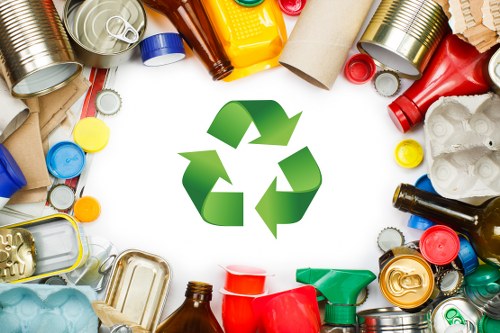
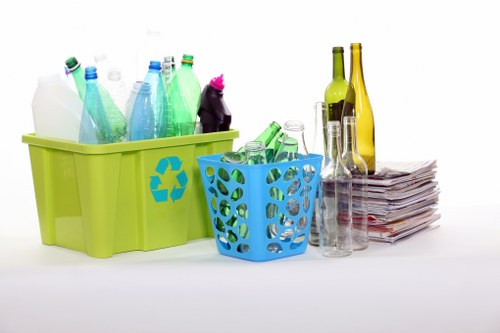
All waste removed during a clearance is to be segregated at source where possible. Recyclables, general rubbish and hazardous items such as batteries, solvents, paints, asbestos suspect materials, clinical or sharps waste must be identified and handled using appropriate controls and disposal routes. Any suspect asbestos-containing material will be treated as hazardous and work will stop until an assessment is made. We will not accept illegal dumping or uncontrolled disposal and will ensure that rubbish clearance activities comply with accepted environmental and waste transfer procedures.
Vehicles, Loading and Site Safety
Vehicles used for flat clearance operations will be maintained to a safe standard, inspected before use and loaded to safe weights and securement procedures. Traffic management plans will be applied where clearance operations affect public access. Crew members must follow safe loading practices and wear suitable PPE during loading/unloading. Vehicle reversing and movement hazards will be managed with spotters and clear communication. Our rubbish removal vehicles are equipped with first aid kits and spill control materials to manage minor incidents.
 Emergency Procedures and Incident Reporting
Emergency procedures include first aid arrangements, fire and evacuation plans and clear reporting channels for accidents, near misses and dangerous occurrences. All incidents must be reported promptly, investigated and documented. Corrective actions will be implemented to prevent recurrence. Where required, we will cooperate with emergency services and provide accurate job and site information.
Monitoring, Review and Continuous Improvement
Health and safety performance will be monitored through routine inspections, audits and review of incident records. This policy will be reviewed at least annually or when significant changes to operations, legislation or equipment occur. Staff consultation is integral to improving safety standards and ensuring that flat clearance services in Limehouse remain safe and effective.
Commitment: We are committed to maintaining a positive safety culture, ensuring adequate resources for implementation and ensuring that rubbish clearance operations are conducted responsibly. By adhering to this policy, the business and its workforce will strive to protect health, prevent injuries and minimise environmental impact across our rubbish collection and flat clearance operations.